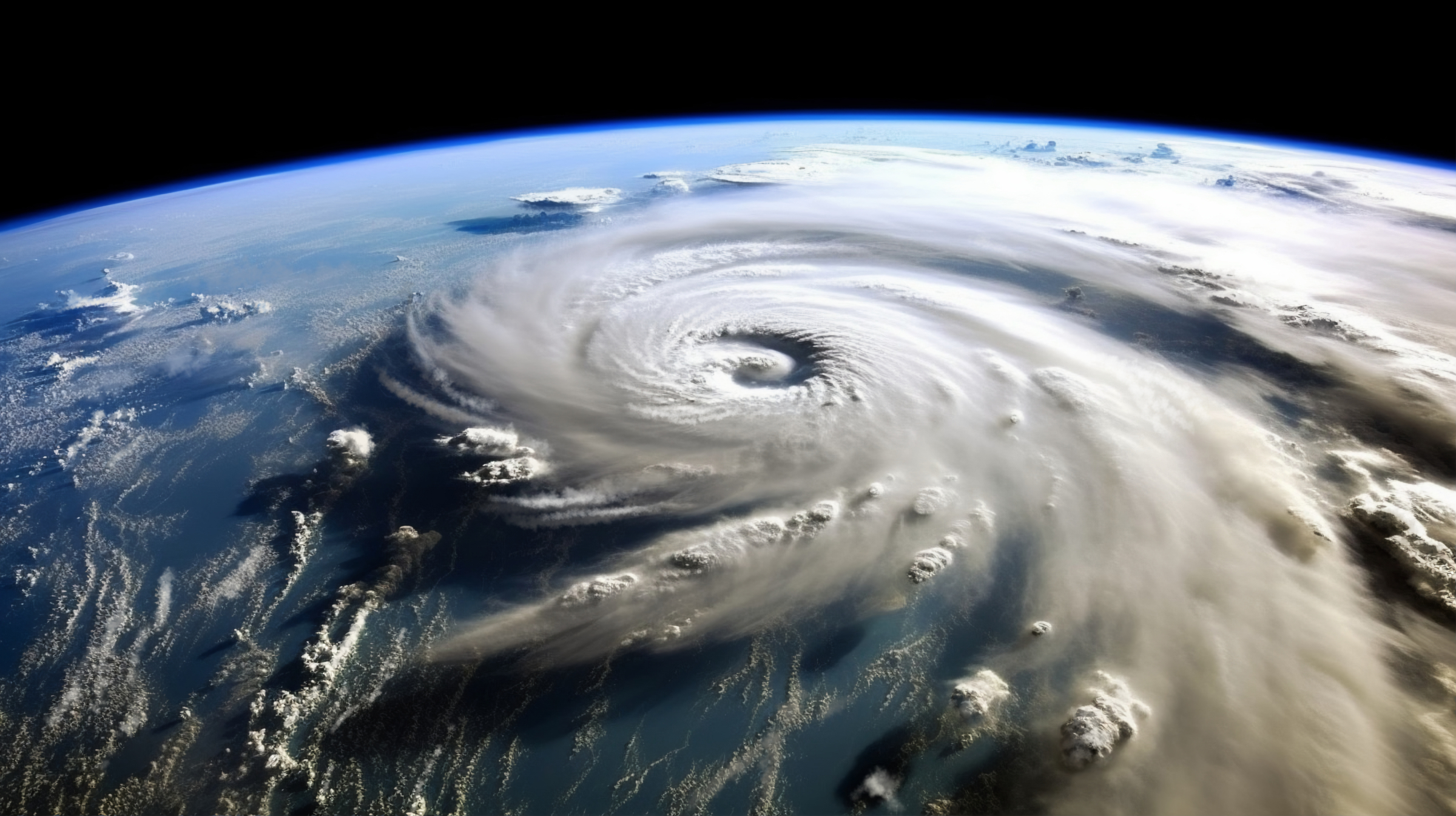
Why storm readiness belongs in every project plan
Hurricane season doesn’t just threaten construction schedules, it can impact worker safety, project budgets, and long-term project success. Proactive planning helps construction teams reduce risk, recover faster, and keep projects moving when severe weather strikes.
As hurricane season progresses, contractors, developers, municipalities, and property owners face the challenge of balancing project schedules with the realities of severe weather. Seasonal forecasts can provide valuable guidance, but every project should be planned with the understanding that a single major weather event can have significant consequences regardless of the number of storms expected. Due to the growing frequency and intensity of severe weather events, preemptively identifying risks and implementing these mitigation measures are key for effective project planning.
Start preparation before a storm appears
Preparation begins long before a tropical system appears on the forecast. Effective planning includes evaluating site drainage, protecting unfinished structures, securing equipment and materials, verifying and having easily identifiable emergency access routes, and ensuring erosion and sediment controls remain functional during heavy rainfall. These measures should be routine in any project, as they are key for overall project safety and quality control.
For projects already underway, having a documented storm preparedness plan can minimize delays, reduce damage, and improve worker safety. This enables project teams to respond quickly and address evolving weather conditions, allowing for operation continuity by reducing disruptions.
Urban construction sites need tighter coordination
Construction in urban environments presents unique challenges during hurricane season. Dense development often limits staging areas, increases dependence on neighboring infrastructure, and complicates drainage. High winds can turn unsecured materials into dangerous projectiles, while flooding may overwhelm stormwater systems and disrupt transportation networks. Careful site logistics, secure material storage, and proactive coordination with local agencies become essential components of successful project management.
Constrained sites leave little room for last-minute decisions
Constrained construction sites require an even greater level of planning. Limited access points, restricted equipment movement, and tight working conditions leave little margin for error when severe weather approaches. Contractors must be prepared to rapidly secure equipment, scaffolding, temporary utilities, and excavation areas while maintaining safe access for emergency personnel if necessary. Well-developed contingency plans can significantly reduce recovery time once conditions improve.
Island and coastal projects require resilient logistics
Remote island construction introduces another layer of complexity. Projects often rely on long supply chains, limited transportation options, and specialized equipment that cannot easily be replaced if damaged. Hurricanes may interrupt deliveries for days or even weeks, affecting schedules and increasing costs. Saltwater exposure, storm surge, and prolonged power outages can also impact partially completed infrastructure and construction materials. Building resilience into project planning, from procurement strategies to structural design, helps mitigate these risks and supports faster recovery after a storm. For example, establishing contingency plans for key materials provides valuable support to projects affected by supply chain interruptions.
Forecasts inform planning, but resilience protects projects
Seasonal outlooks should inform planning, but they should never replace project-specific risk management. Every construction site is vulnerable to heavy rainfall, localized flooding, high winds, and extended disruptions. Investing in resilient planning, sound construction practices, and experienced project management remains the most effective strategy for protecting people, property, and project schedules throughout hurricane season.
How MFS Construction helps clients build through uncertainty
At MFS Construction, resilience is built into every phase of the project lifecycle. From pre-storm planning and site protection to emergency response, restoration, and reconstruction, our team delivers practical solutions that help clients reduce risk, minimize downtime, and keep projects on track when severe weather threatens. Whether managing complex urban developments, constrained sites, infrastructure improvements, or challenging island and coastal environments, we deliver practical, durable, and high-quality solutions backed by decades of experience. When hurricane season approaches, clients count on MFS Construction to help safeguard their investment and keep building with confidence.
If your project team is preparing for hurricane season, MFS Construction can help evaluate risks and plan ahead